Acrylic vs Vulcanite Pipe Stems – Which Is Better for Your Smoking Style?
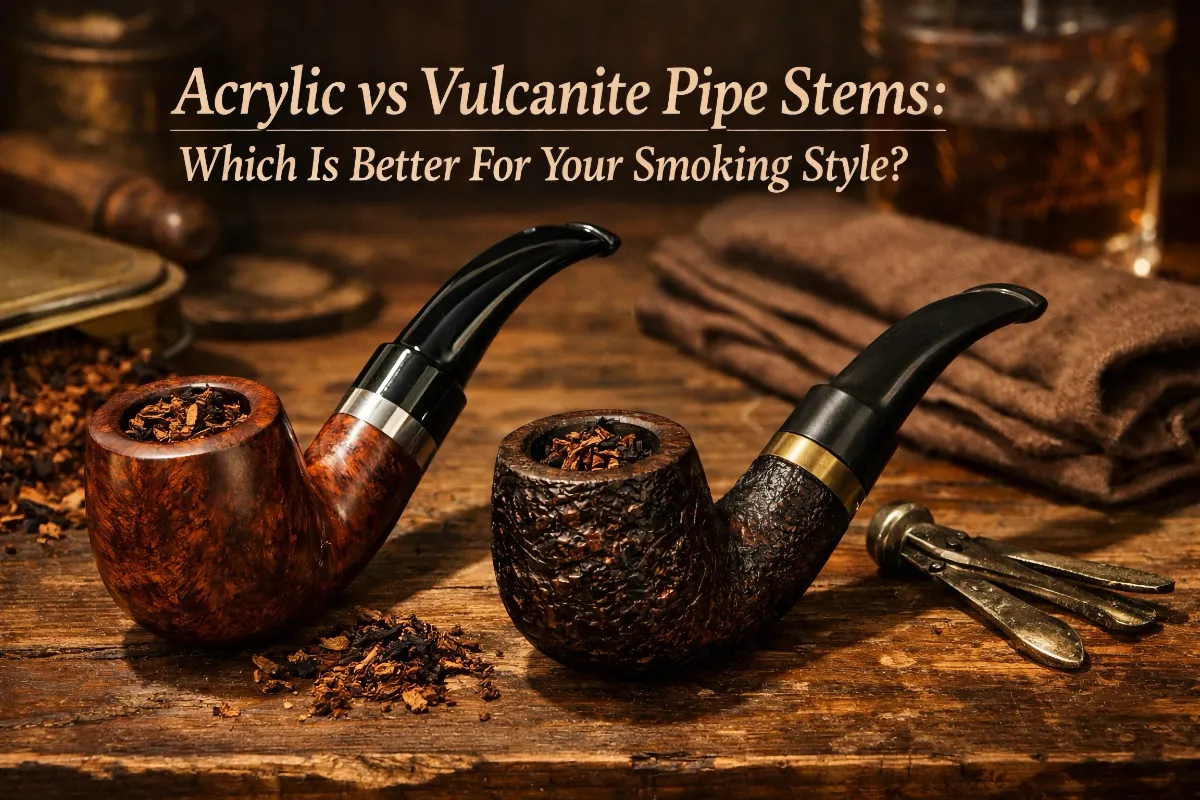
Acrylic vs Vulcanite Pipe Stems – Which Is Better for Your Smoking Style?
You know what gets pipe smokers more fired up than tobacco blends or bowl shapes? Stem materials.
Seriously, mention acrylic versus vulcanite in any pipe forum, and you’ll get passionate opinions from both camps. Some folks won’t touch anything but classic vulcanite. Others have completely switched to acrylic and never looked back.
So which one’s actually better for your smoking style?
Let’s dig into it.
What Are We Even Talking About Here?
Before we get into the great debate, let’s cover the basics real quick.
Vulcanite (also called ebonite) is a vulcanized rubber material that’s been the traditional choice for pipe stems for, well, forever. It’s soft, comfortable, and has that classic pipe look we all recognize.
Acrylic (sometimes called Lucite) is a harder plastic material that came along later. It’s available in tons of colors and patterns, from classic black to wild swirls and translucent designs.
Both do the same basic job: they connect your mouth to your tobacco. But the experience? Totally different.

The Case for Vulcanite: Soft, Classic, and Comfortable
Let’s start with the old-school favorite.
Why Pipe Smokers Love Vulcanite
If you’re a clencher (and let’s be honest, most of us are at least sometimes), vulcanite is going to be your best friend. The material is significantly softer than acrylic, which means it’s way easier on your teeth and jaw during those long smoking sessions.
That soft, slightly cushiony feel? That’s vulcanite doing its thing.
There’s also something about the classic look that just feels right. Vulcanite stems have that traditional pipe aesthetic, slightly matte, understated, timeless. When you’re holding a pipe with a vulcanite stem, you’re holding the same material that’s been used for generations of pipe smokers.
The grip is better, too. When you’re clenching, that slight give in the material helps you maintain a comfortable hold without death-gripping the stem between your teeth.
The Downside: That Oxidation Thing
Here’s where things get real.
Vulcanite oxidizes. It’s not an if, it’s a when.
That beautiful black stem? Give it some time and exposure to sunlight, saliva, and air, and it’ll start turning greenish-brown. Some people call it a patina. Most of us just call it what it is, oxidation.
And honestly? It looks rough. Not vintage-cool rough. Just rough.
The sulfur content in vulcanite is what causes this oxidation, and there’s no way around it. You can slow it down with proper care, but you can’t stop it entirely. Regular cleaning and storage matter, but even babied vulcanite stems will eventually show signs of oxidation.
The good news? It’s totally reversible. (More on that in a bit.)
The Case for Acrylic: Low-Maintenance and Forever Shiny
Now let’s talk about the modern alternative.
Why Acrylic Has Its Fans
The number one reason people switch to acrylic? It doesn’t oxidize. Period.
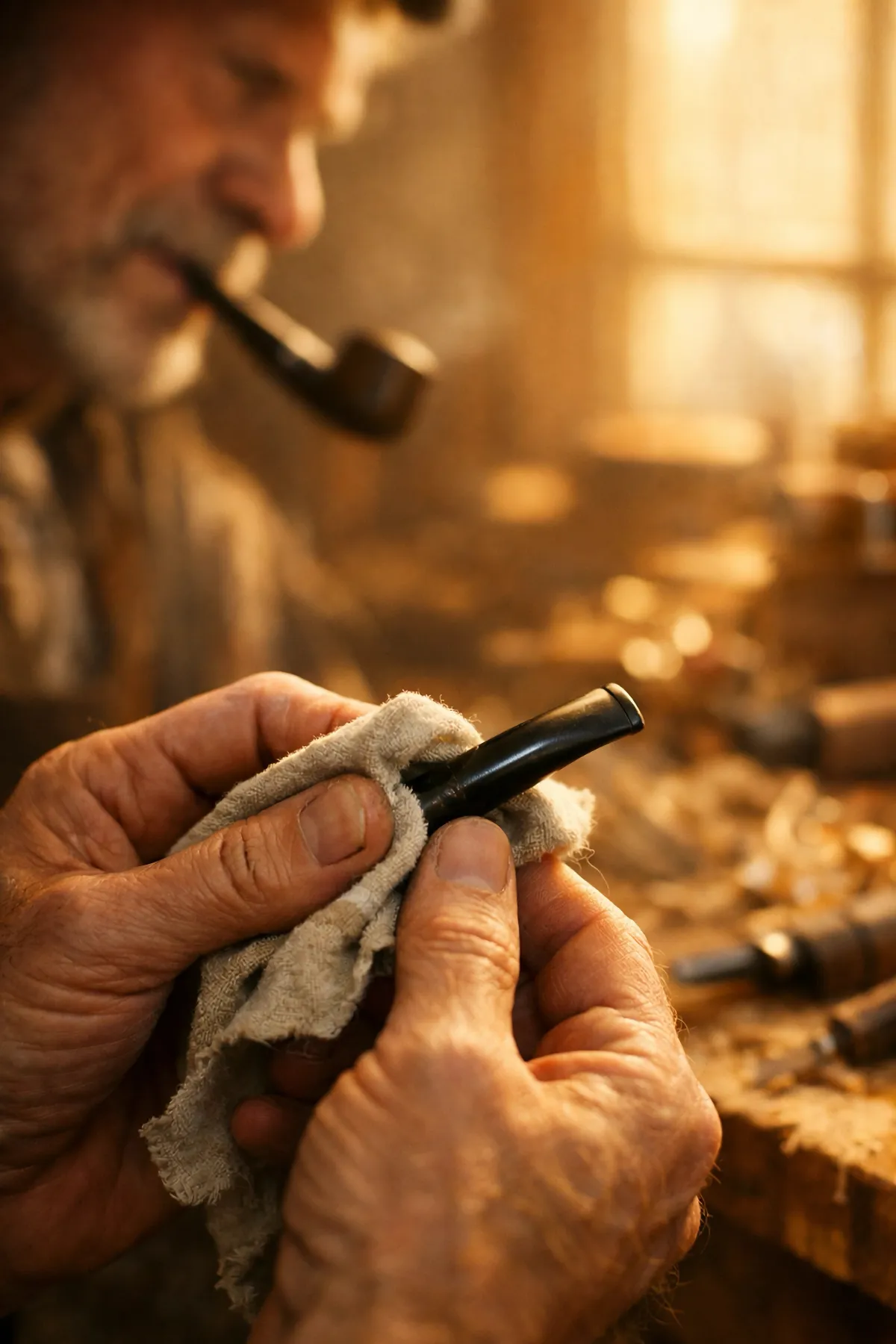
That glossy, polished look you get when a pipe arrives? That’s how it’ll look years from now with minimal care. Just wipe it down with a soft cloth, and you’re done. No special treatments, no oxidation removal, no maintenance drama.
Acrylic also opens up a world of aesthetic options. Want a tortoiseshell pattern? A wild Cumberland look? Transparent amber? Bright red? You’ve got options, tons of them. Estate pipe shopping becomes way more interesting when you’re not limited to black or dark brown.
The material is also incredibly durable. It resists heat well, won’t soften from moisture, and dries quickly when you run a pipe cleaner through it after smoking.
And let’s be real, acrylic is more affordable both in new pipes and in replacement stems.
The Downside: That Hard Plastic Feel
Here’s the thing nobody wants to admit at first: acrylic is hard.
If you’re a clencher, you’ll notice. Your teeth will definitely notice. That cushiony comfort of vulcanite? Gone. You’re clenching on what essentially feels like hard plastic because, well, it is hard plastic.
Some folks don’t mind. They get used to it or just don’t clench as much. Others find it uncomfortable enough to be a dealbreaker.
There’s also a tactile thing. Acrylic can feel a bit “plasticky” in your mouth. Some smokers say it lacks that organic, traditional feel that vulcanite provides. It’s subjective, but it’s definitely a thing.

Maintenance: The Real Difference Maker
This is where the rubber meets the road (pun intended).
Keeping Vulcanite Looking Good
If you go the vulcanite route, you need a game plan for oxidation. Because it’s coming.
The best approach? Prevention. Using something like our Briarville No Oxi Stick regularly helps slow oxidation. It’s way easier to prevent oxidation than to remove it.
But when oxidation does show up (and it will), you’ve got options. The Briarville Stem Oxidation Remover is specifically designed to restore oxidized vulcanite stems to life. It works, but it takes a bit of elbow grease.
You’ll also want to avoid leaving vulcanite stems in direct sunlight and make sure they’re clean and dry before storing your pipes.
It’s not rocket science, but it is regular maintenance.
Keeping Acrylic Looking Good
Want to know the maintenance routine for acrylic?
Wipe it down occasionally.
That’s pretty much it.
Acrylic doesn’t require special treatments, oxidation removers, or careful storage considerations. It’s genuinely low-maintenance. For folks who just want to smoke their pipes without fussing over stem care, that’s a huge selling point.
So Which One Matches Your Smoking Style?
Here’s the honest breakdown.
Go with Vulcanite if:
• You’re a regular clencher who values comfort during long smoking sessions
• You appreciate traditional pipe aesthetics
• You don’t mind a bit of regular maintenance
• The tactile experience matters to you
• You want that classic, organic feel
Go with Acrylic if:
• You prefer hand-holding your pipe more than clenching
• Low maintenance is a priority
• You want your pipes to stay looking sharp forever
• You like having aesthetic variety and color options
• You’re building a rotation and want some hassle-free options
The truth? Many experienced pipe smokers end up with both in their rotation. Different pipes for different moods and occasions.
When You Need Professional Stem Work
Sometimes the choice isn’t about preference, it’s about replacement.
Whether you’ve got a vintage estate pipe with a chewed-up vulcanite stem that’s beyond home repair, or you’ve accidentally cracked an acrylic stem, professional stem replacement might be in your future.
At Briarville, we handle both vulcanite and acrylic stem replacements and repairs. We can match ma-
terials, recreate custom shapes, and restore damaged stems to like-new condition. We’ve worked oneverything from drugstore pipes to high-grade artisan pieces, and we treat every pipe with the same care.

The Bottom Line
There’s no universally “better” material here, just different priorities.
Vulcanite wins on comfort and tradition. Acrylic wins on maintenance and durability. Your smoking
habits, aesthetic preferences, and tolerance for upkeep will determine which one’s right for you.
And hey, if you’re on the fence? Try both. Pick up a pipe with acrylic, smoke it for a month, then grab
one with vulcanite. Your personal experience will tell you everything you need to know.
Pipe Repair as Close as Your Mailbox
Whether you’re team vulcanite, team acrylic, or happily playing both sides, we’re here when you need stem work, restoration, or repair.
Our mail-in service makes professional pipe restoration accessible no matter where you are. Pack up your pipe, send it our way, and we’ll handle the rest. From stem oxidation removal to complete stem replacement, we’ve got you covered.
Got questions about which stem material might work best for a specific pipe or restoration project?
Reach out ( we’re always happy to talk pipes.)