The Pipers Toolkit – How To Use Your Tools Without Breaking Your Pipe

The Pipers Toolkit – How To Use Your Tools Without Breaking Your Pipe
There’s just something about the ritual of smoking a pipe that slows the world down, isn’t there?
We’ve all been there: settling into a favorite chair, picking out a blend that smells like heaven (or at least like a campfire), and getting ready to fire that baby up. But as any of us who have been in this hobby for more than a week know, it’s not just about the tobacco. It’s about the gear.
We love our pipes. Whether it’s a brand-new briar or a “new-to-you” estate find from an auction, these pieces are more than just smoking instruments; they’re works of art. And just like a vintage car or a fine watch, they need the right tools to keep them running smoothly. If you are new to the world of beginner pipe smoking, you might look at a three-in-one “Czech tool” and think it’s pretty self-explanatory.
But here’s the thing: we see pipes come into the shop every day for pipe repair because someone got a little too enthusiastic with their tools. It turns out, there is a very fine line between “maintenance” and “unintentional destruction.” We want to make sure your favorite smoker stays out of the repair bin and in your rotation.
The Tamper: It’s Not a Pile Driver
If there is one tool that gets misunderstood the most, it’s the tamper. We often see folks, especially those just starting, using the tamper as if they were packing a suitcase for a three-week vacation. They push, and they shove, trying to get that tobacco down into the bowl like they’re building a foundation for a skyscraper.
Stop right there.
The tamper isn’t actually for “packing” the tobacco in the way most people think. Its primary job is managing the ember. When you’re smoking, the ash naturally rises as the tobacco burns. If that ash gets too loose, it acts like an insulator and can actually put your fire out. You use the tamper to gently, and we mean gently, press that ash back down so it stays in contact with the unburnt tobacco below.
When you use a tamper, you should apply barely any pressure at all. Think of it as using just the weight of the tool itself. If you pack it too tightly, you’re going to kill the airflow. And as we always say, if you can’t breathe, you can’t smoke. A pipe that’s packed too tight leads to hard draws, tongue bite (because you’re puffing like a steam engine to keep it lit), and eventually, a clogged airway that requires a professional smoking pipe repair.

The Pick and the Needle: Surgical Precision Only
Most of those handy little tool sets come with a long, thin pick or needle. It looks like something a dentist might use, and honestly, you should treat it with the same level of respect. This tool is designed for two things: clearing a sudden blockage in the airway and loosening the “dottle” (that unburnt, wet tobacco at the bottom of the bowl) after a smoke.
But here’s where things get dicey. We’ve seen beautiful bowls that look like a caffeinated woodpecker attacked them. When you’re using the pick to clear a blockage, you have to be incredibly careful not to scratch the bottom of the bowl or the draft hole.
Briar is tough, but it’s still wood. Once you start gouging the bottom of the bowl, you’re creating little “divots” where moisture and gunk can collect. That’s just gross. Over time, those scratches can turn into soft spots or even contribute to burnout. If you’re clearing the airway, slide the pick in slowly.
Don’t force it. If it doesn’t want to go, it might be time for a deeper pipe restoration or a professional cleaning rather than trying to perform surgery yourself.
For more on what to look for in a pipe before you even start using these tools, check out our guide on estate pipe restoration and what to check before you buy.
The Scraper: Ash, Not Briar
The flat, spoon-like part of your tool is the scraper. Its job is to help you remove the ash and any remaining dottle from the bowl once you’re done. Again, the keyword here is gentle.
We’ve seen pipers who try to scrape the bowl so clean it looks like it just came off the lathe. You don’t want that! You actually want a little bit of that carbon buildup (the cake) to stay on the walls.
The scraper should be used only to lift out loose debris. If you’re digging into the sides of the bowl with the scraper, you’re likely damaging the cake or, worse, the wood itself.
If your pipe is starting to taste a bit “off” even after a good scrape, it might be “ghosting” you. You
can read more about that in our article on why your favorite pipe might be ghosting you.
The Reamer: The “Big Guns” of Maintenance
Now we’re getting into the heavy machinery. A reamer is a tool specifically designed to trim back the “cake” (that carbon layer that builds up inside the bowl).
A good cake is a pipe’s best friend. It protects the briar from the heat and actually makes for a sweeter smoke. But like anything in life, you can have too much of a good thing. If the cake gets too thick, it starts to shrink the chamber of your pipe. Even worse, carbon and briar expand at different rates when they get hot. If that cake is too thick, it can actually exert enough pressure to crack the briar bowl right down the middle.
That is a heartbreak we don’t want you to experience.
When using a reamer:
1. Choose the right size: Never force a reamer that is too large into the bowl.
2. Go slow: Turn it slowly and let the blades do the work.
3. Aim for the “Dime-Thick” rule: You want your cake to be about the thickness of a U.S. dime.
If you’re nervous about reaming your own pipe (and honestly, it’s okay to be!), that’s where smoking pipe restoration services come in. We do this all day long, and we have the precision tools to get it back to perfect without the risk of a “whoops” moment. You can see some of the beautiful results of professional work on our tobacco pipe category page.

Pipe Cleaners: The Unsung Heroes
If the reamer is the heavy machinery, the pipe cleaner is the daily multivitamin. You should be using these after every single smoke. Seriously. Every. Single. Time.
A lot of folks think a pipe cleaner is just for when the pipe gets “gurgly.” While they’re great for a mid-smoke “emergency” to soak up some moisture, their real work happens when the pipe is cooling down. Run a cleaner through the stem and all the way into the bowl to soak up the tars and moisture left behind.
If you leave that stuff in there, it seeps into the wood and the stem, leading to sour smells and that dreaded oxidation on vulcanite stems. (If your stem is already looking a bit green or gray, don’t panic; we have a guide for fixing vulcanite stem oxidation.)
Using these tools like a troglodyte is a one-way ticket to Briarville for a pipe repair. We love seeing you, but we’d rather see you because you want to show off a new find, not because you accidentally pushed a pick through the wall of your favorite Billiard!
A Quick Word on Stems
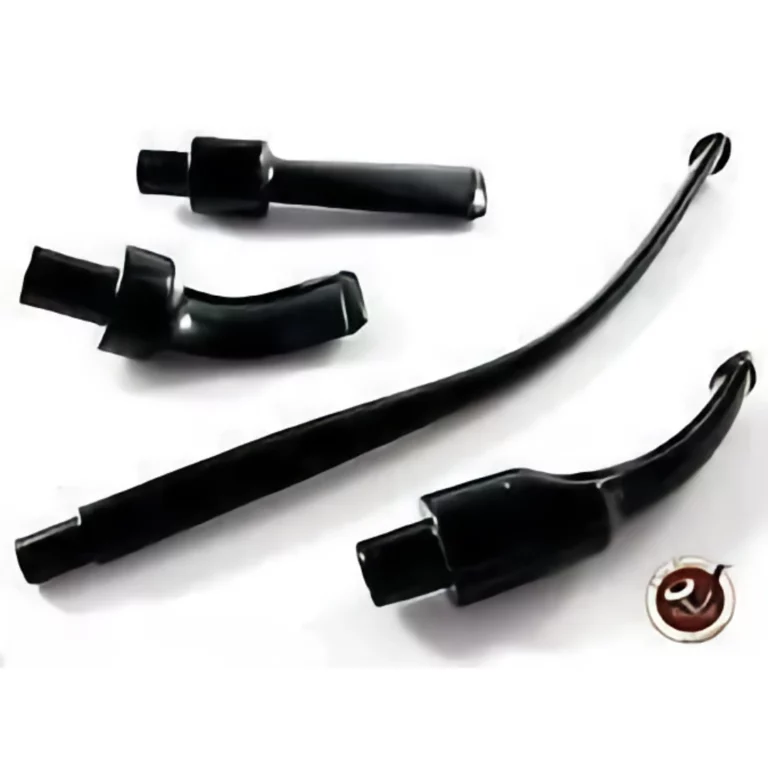
While we’re talking about tools, let’s talk about the parts of the pipe they interact with. Often, a “clog” isn’t in the bowl at all, but in the stem. If you find yourself constantly having to use your pick to clear the stem, it might be a sign that the airway wasn’t drilled properly or that your stem is reaching the end of its life.
Sometimes a good cleaning isn’t enough, and you might need a pipe stem replacement. Whether you prefer acrylic or vulcanite, keeping the airway clear is the secret to a long-lasting pipe. We’ve got a great breakdown on acrylic vs. vulcanite if you’re trying to decide what’s best for your smoking style.

Wrapping It Up
The toolkit is there to help you enjoy the hobby, not to provide a weekend project of “how to fix what I just broke.” Take it slow, be gentle, and remember that the goal is always a cool, dry, and flavorful smoke.
If you ever find yourself staring at a pipe tool and thinking, “I wonder if I can just pry this open…”: stop. Put the tool down. Give us a call or head over to our all blog posts page for more tips. We’ve seen it all, and we’re always here to help you keep your collection in top-notch shape.
Happy smoking, and keep those tampers light!